Mastering Way of the Hunter 2: Melanistic Wolves & Tips
Discover how to find Way of the Hunter 2 melanistic wolves, master herd management, and succeed in this realistic hunting simulator. Start your hunt today!
Published: Way of the Hunter 2 Wiki Editorial Team
Table of Contents
Stepping into the vast, untamed wilderness of Way of the Hunter 2 is an experience like no other, offering a level of immersion that keeps players coming back to the woods. If you have started your journey in Way of the Hunter 2, you are likely looking for the ultimate trophy: the Way of the Hunter 2 melanistic wolves. While these animals are exceptionally rare, finding Way of the Hunter 2 melanistic wolves requires more than just luck; it demands patience, strategy, and a deep understanding of the game’s complex ecosystem.
In this guide, we will break down everything you need to know to succeed in the game's Early Access phase. From managing herd genetics to choosing the right optics for the perfect shot, we cover the essential systems that will turn you from a novice tracker into a master hunter.
Understanding the Early Access Landscape
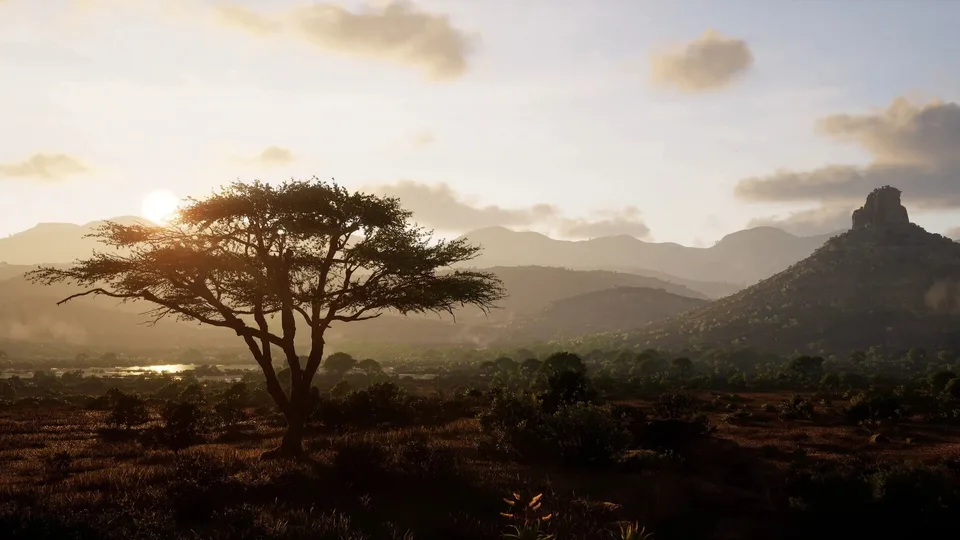
Way of the Hunter 2 has launched into Early Access, bringing with it a fresh set of mechanics and a new map, New Laurentia. According to official information from Nine Rocks Games, the developers are prioritizing community feedback to shape the future of the game. Because the game is still in active development, it is vital to understand that systems, hardware requirements, and content are subject to change.
The current Early Access build is focused on PC, providing a massive 10x10 km open-world environment. While you might be eager to rush into the woods, taking a moment to understand the technical and structural foundations of the game will save you time and frustration.
Early Access Key Details
Feature
Status in Early Access
Platforms
PC (Steam)
Map
New Laurentia (10x10 km)
Species Count
13 (30 planned for full release)
Multiplayer
Coming in future updates
Save Stability
Potential for resets due to core system changes
It is important to note that while the game is fully playable, you should not expect the final product's polish immediately. The developers are using this phase to balance game systems, making it the perfect time to learn the ropes while the community helps refine the mechanics.
The Art of Herd Management
If your goal is to eventually spot rare animals, you must master the herd management system. This is the heartbeat of the game. Many new players make the mistake of shooting the first animal they see, especially if it looks impressive. However, in Way of the Hunter 2, hasty decisions can ruin your long-term prospects for finding high-quality trophies or rare variants like the melanistic wolf.
How Herd Management Works
The game tracks three core variables for every animal: Age, Fitness, and Trophy Development. These are not just cosmetic stats; they determine the animal's potential.
Age: An animal needs time to grow. Shooting a young animal often removes a potential trophy from the herd before it has a chance to mature.
Fitness: This is the most critical metric for genetic potential. Low-fitness animals are generally the ones you want to remove from the gene pool to allow better genetics to thrive.
Stars: These represent the current trophy development, not necessarily the animal's ultimate potential.
Herd Management Strategy Table
Action
Why?
Observe First
Assessing age and fitness prevents accidental culling of future trophies.
Cull Low Fitness
Removing poor-genetics animals gives high-potential ones more resources.
Patience
Sometimes the best move is to let an animal live to see how it grows.
Track Zones
Learning where herds feed, drink, and sleep makes management easier.
By focusing on removing the "weakest links," you allow the herd's overall health to improve. Over several in-game years, this disciplined approach significantly increases your chances of seeing higher-rated animals and, potentially, the elusive rare variants that every hunter craves.
The Hunt for Rare Animals: Melanistic Wolves and More
The pursuit of rare animals is a hallmark of the hunting genre. While hunting for Way of the Hunter 2 melanistic wolves is a goal many players share, it is important to understand that these rare coats are a result of the game's genetic simulation. Unlike games where rares might be static spawns, in this title, they are part of the living, breathing population.
Tips for Finding Rare Variants
Finding a melanistic wolf or other rare variants requires a systematic approach. You cannot simply fast-travel to a spot and expect a rare animal to be waiting for you.
Map Exploration: You must spend time building your map. Identify the need zones—drinking, feeding, and resting areas—for the species you are hunting.
Consistent Observation: Visit these zones at different times of the day. Rare animals often share the same habits as the rest of the herd.
Use Your Dog: As noted in community discussions, your dog is an invaluable asset. Use your canine companion to track signs and help locate animals that you might otherwise miss.
Manage the Population: By thinning out the common animals in a herd, you create more "slots" for new animals to spawn. This is where your herd management pays off.
[!TIP]
Patience is a Virtue
Rare animals like the Way of the Hunter 2 melanistic wolves are not guaranteed spawns. They are rare genetic rolls. If you are not seeing them, it may be time to focus on "cleaning up" the herd by harvesting lower-fitness individuals to increase the turnover rate of the population.
Essential Gameplay Tips for Success
Whether you are a veteran of the first game or a complete newcomer, the transition to the 1.0 version of Way of the Hunter 2 requires a shift in mindset. You are not just a shooter; you are a manager of the wilderness.
1. Don't Waste Your Money
Early in the game, your funds are limited. It is tempting to buy every upgrade, bridge repair, or fancy optic you see in the store. Resist this urge. Prioritize gear that directly improves your hunting efficiency, such as better binoculars, a reliable rifle scope, or a shooting stick for stability. Infrastructure improvements like bridges can be deferred until you are more established.
2. The Importance of Missions
Missions are not just filler content; they are your primary source of early-game income and experience. They also serve as a tutorial for the map, guiding you to different biomes and teaching you how to track animals effectively. Even if you want to free-hunt, keep an active mission in your log to ensure you are earning rewards while you explore.
3. Master the Spook Radius
The game rewards stealth and patience. Sprinting through the forest is a guaranteed way to clear the area of wildlife before you even get a shot off. Use your vehicle to cover long distances, but as soon as you reach a potential hunting ground, get out. Walk, glass the area, and pay attention to the wind direction. If the wind is blowing your scent toward the herd, they will spook long before you see them.
Common Beginner Mistakes
Mistake
Consequence
Running Everywhere
Spooks animals within a large radius; ruins the hunt.
Buying Unnecessary Gear
Leaves you broke when you need essential tools (e.g., quality optics).
Ignoring Missions
Slows down progression and money acquisition.
Ignoring Herd Genetics
You end up with a map full of low-quality animals.
Equipment, Ammo, and Hunting Strategy
Understanding your loadout is just as important as understanding the animals. You cannot simply take one rifle and expect it to be perfect for every situation. You need to consider the species, the distance of the shot, and the ammunition type.
Choosing the Right Loadout
When planning your hunt, think about the ethical and mechanical requirements of the shot. A heavy-caliber rifle is great for a bison, but it might be overkill—or even prohibited—for smaller game. Similarly, bullet penetration matters. If you are hunting a species that requires deep penetration, choose your ammunition accordingly.
Optics: A good scope is your best friend. It allows you to identify the age and fitness of an animal from a distance, which is crucial for herd management.
Suppressors: These are highly recommended. They reduce the noise of your shot, which can prevent you from spooking the entire herd, giving you a chance for a follow-up shot if necessary.
Shooting Sticks: If you are taking a long-range shot, stability is key. A shooting stick can make the difference between a clean harvest and a wounded animal.
As you progress, you will unlock more advanced equipment. Use this to experiment. However, always ensure that your loadout matches the intended prey. Trying to force a specific setup on the wrong animal will only lead to frustration and lost opportunities.
Conclusion
The journey to finding Way of the Hunter 2 melanistic wolves and other rare trophies is a marathon, not a sprint. It requires you to engage with the game's systems—management, tracking, and tactical decision-making—rather than just running and gunning. By focusing on herd health, managing your resources wisely, and respecting the game's mechanics, you will find that the rewards are well worth the effort.
Remember, the game is in Early Access. This means the developers are listening. If you encounter bugs or have suggestions, share them on the official channels. Your feedback helps shape the future of the game, ensuring that the final release is the best hunting simulator possible. Good luck, and happy hunting.
FAQ
Q: Are Way of the Hunter 2 melanistic wolves guaranteed to spawn?
A: No. Rare variations like melanistic wolves are part of the game's procedural genetic system. They are not guaranteed spawns. You increase your chances of seeing them by effectively managing your herd populations and allowing new animals to spawn over time.
Q: Can I carry over my Early Access save to the full release?
A: It is unlikely. Due to ongoing changes to core systems during the Early Access phase, your save files may become incompatible with the full release. The developers recommend treating your Early Access progress as a learning experience.
Q: Is the game playable offline?
A: Yes, Way of the Hunter 2 is fully playable in offline mode. This is great for players who want a dedicated single-player experience without worrying about connection issues.
Q: How do I improve my chances of finding rare animals?
A: Focus on herd management. By selectively harvesting animals with low fitness ratings, you clear space for new animals to enter the population. Over time, this improves the overall genetic diversity of your herds, which is the key to seeing rarer traits like the melanistic coat.