
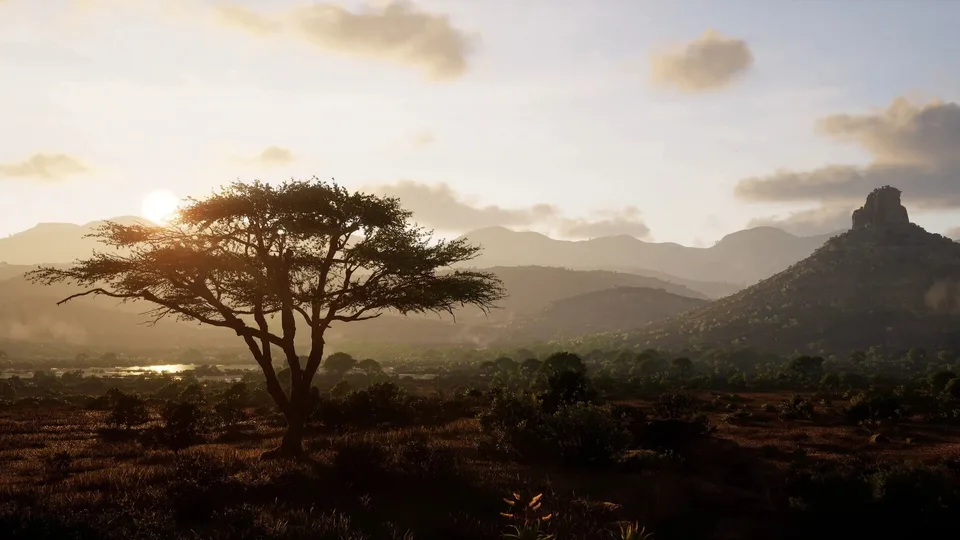
Hunting in Way of the Hunter 2 is rarely about the fastest trigger finger; it is about the discipline to wait for the perfect moment. Mastering the Way of the Hunter 2 ambush skill allows you to transform from a frantic tracker into a calculated predator, turning every outing into a high-percentage hunt. By understanding how to control your environment and pace, you can significantly increase your trophy outcomes and overall success rates.
Why Ambush Hunting Defines Success
The core philosophy behind the Way of the Hunter 2 ambush skill is simple: a calm, prepared shot is vastly superior to a rushed attempt at a spooked animal. When you commit to an ambush-style approach, you take control of the variables that usually lead to missed shots—namely wind direction, target distance, and animal awareness. Instead of chasing herds through thick cover, you are bringing the hunt to a location where you hold the tactical advantage.
This approach is essential for players looking to maximize their efficiency in smaller hunting zones or when dealing with skittish, high-trophy animals. By slowing down before entering feeding or drinking zones, you effectively remove the element of surprise from the animal’s side and grant it to your own.
Essential Gear for the Tactical Hunter
To execute a perfect ambush, your loadout must prioritize stability and concealment over raw firepower. According to community discussions on the official Steam community page, players often find that balancing gear slots is a critical part of the early game progression.
| Gear Item | Primary Benefit | Strategic Use |
|---|---|---|
| Shooting Stick | Reduces weapon sway | Essential for long-range, high-precision shots. |
| Terra Observer Mono | High-distance spotting | Unlock at level 13 to identify targets safely. |
| Hunting Blind | Total concealment | Best for staying hidden in high-traffic need zones. |
| Tripod | Elevation advantage | Perfect for seeing over tall grass or brush. |
| Tent | Strategic base building | Allows for quick travel and time management. |
Investing in these items early will drastically change how you interact with the map. While a backpack upgrade is tempting, prioritize the shooting stick and tripod to ensure that when you finally spot a trophy, your aim remains rock solid.
Strategic Field Execution
An ambush is not just sitting in one spot; it is a repeatable, disciplined routine. The most successful hunters follow a specific sequence to ensure they never spook their target before the shot is taken.
- Terrain Scouting: Study the map for chokepoints and natural funnels where animals must pass.
- Wind Management: Always check the wind indicator. If the breeze is blowing your scent toward the herd, wait or take a wider, longer route.
- Observation: Use your binoculars or the Terra Observer Mono from a distance. Never walk into a zone blindly.
- Positioning: Once you identify a target, move into cover. Deploy your tripod or blind only after you are sure the target is within an ethical range.
- Shot Selection: Wait for a broadside or vital angle. Patience here is the difference between a clean harvest and a long, frustrating tracking session.
Tip
The Suppressor Advantage While a suppressor won't make you invisible to animals, it significantly reduces the noise of your shot. This can often prevent a whole herd from scattering, potentially allowing you to observe or take a second opportunity if the situation permits.
Managing Skill Points and Progression
Character progression plays a massive role in how effectively you can perform an ambush. While the game provides various skills, you must choose them based on your playstyle. If you prefer long hours in a blind, prioritize stability and concealment. If you are a mobile hunter, focus on movement and tracking.
| Goal | Ambush-Focused Skill | Why it Matters |
|---|---|---|
| Accuracy | Sway Reduction | Improves vital organ placement. |
| Stealth | Sound Reduction | Allows for closer approach without spooking. |
| Observation | Spotting Range | Identifies trophy potential earlier. |
| Endurance | Breath Hold | Extends the window for a steady shot. |
As noted by players, some skill points may feel like they have minimal impact at lower levels. However, as you reach higher levels, the cumulative effect of these upgrades becomes noticeable. Always check your skill menu after a level-up to ensure your points are active, as some community members have reported occasional resets.
Common Mistakes to Avoid
Even experienced hunters fall into traps that ruin a good ambush. The most common mistake is impatience—shooting the first animal that appears regardless of its age, sex, or trophy rating.
- Rushing the Shot: Never fire until you have confirmed a clear vital shot. A wounded animal is a loss of money and time.
- Ignoring the Wind: No amount of concealment gear will save you if the wind carries your scent directly to the herd.
- Over-Equipping: Carrying every tool available will weigh you down and complicate your gear selection in the field. Keep your loadout focused on the specific game you are targeting.
Frequently Asked Questions
What is the core purpose of the Way of the Hunter 2 ambush skill? The ambush skill is a playstyle centered on patience, concealment, and preparation. It is designed to help you secure ethical, high-value harvests by controlling the engagement distance and wind variables.
Is a tripod or a blind better for ambush hunting? It depends on the terrain. A blind is superior for staying hidden in high-traffic areas, while a tripod is essential when you need to gain elevation to see over vegetation or obstacles.
How do I stop animals from spooking during an ambush? Always monitor the wind direction, move slowly when you are near need zones, and use natural terrain to break your silhouette. If you are close, use a suppressor to dampen your rifle's report.
Do skill points actually increase accuracy? While some players debate the visual feedback of the reticle, community consensus suggests that investing in sway reduction and breath-holding skills directly improves your ability to place precise shots during the high-pressure moments of an ambush.