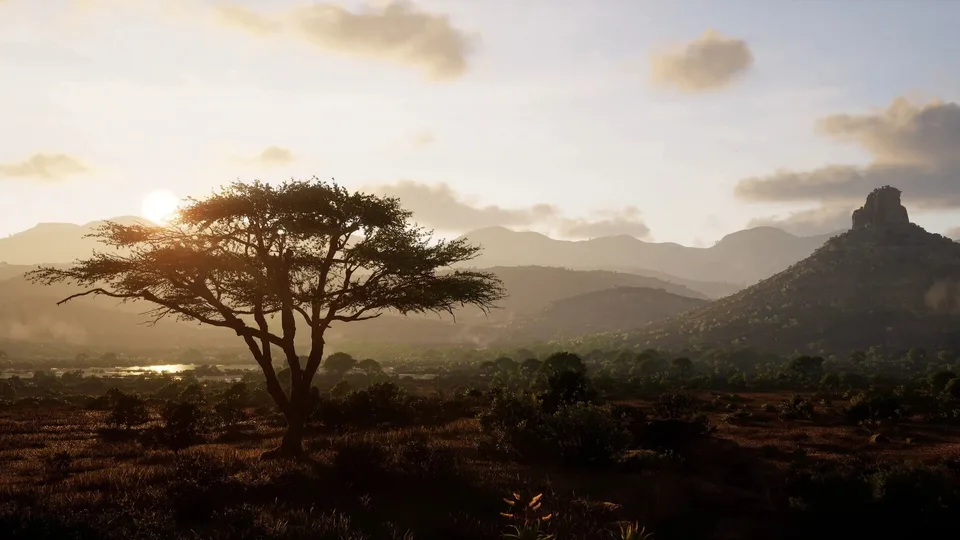
Way of the Hunter 2 Beginner Guide: Essential Tips for Success
Master the wild with our comprehensive Way of the Hunter 2 beginner guide. Learn expert strategies for herd management, gear selection, and efficient hunting.
Published: Way of the Hunter 2 Wiki Editorial Team
Video Guide
7 Things You Should Do FIRST in Way of the Hunter 2Table of Contents
Stepping into the vast, untamed wilderness of New Laurentia can be an overwhelming experience for any novice. This Way of the Hunter 2 beginner guide is designed to help you navigate the complexities of the game’s realistic hunting mechanics, ensuring your first few hours are spent harvesting trophies rather than wandering aimlessly. Understanding the fundamentals early on is crucial because, unlike arcade-style shooters, this simulation rewards patience, planning, and a deep respect for the ecosystem you are exploring.
Whether you are struggling to track your first mule deer or wondering how to manage your finances, mastering these core systems will transform your gameplay. By following the strategies outlined in this Way of the Hunter 2 beginner guide, you will avoid common pitfalls that frustrate many newcomers, ultimately setting yourself up for a long and successful career as a virtual hunter.
Mastering the Basics: Why Missions and Patience Matter
When you first start, the temptation to grab your rifle and sprint into the nearest forest is high. However, experienced players and community reports suggest that focusing on missions is the most efficient way to gain experience and capital. Missions provide necessary structure, helping you learn the terrain while rewarding you with the funds required for better optics and equipment.
Patience is your greatest weapon. In the game, sprinting or driving your truck too close to a herd will spook the animals, often ruining your chances for a clean shot. Instead, prioritize walking or crouching when you enter a potential hunting zone. Observing the environment and listening for animal calls can provide more information than constantly moving.
Early Game Priority Checklist
Action
Why It Matters
Complete Missions
Provides essential starting funds and XP.
Use Binoculars
Identifies species and distance before spooking.
Walk, Don't Run
Keeps your noise levels low for better approach.
Check Wind
Prevents animals from detecting your scent.
Strategic Herd Management and Trophy Development
Herd management is one of the most sophisticated systems in the game. A common mistake beginners make is shooting the first animal they see, regardless of its age or fitness. According to community insights, you should look beyond the star rating. A young, one-star animal might possess excellent genetic fitness, meaning it has the potential to become a five-star trophy if left to mature.
To manage your population effectively, target animals with lower fitness ratings. This creates space and resources for high-potential individuals to flourish. Remember that fitness represents the animal’s genetic potential, while the star rating reflects its current trophy development.
Understanding Herd Dynamics
Fitness: Indicates the long-term potential of the animal.
Age: Determines how much time the animal has had to develop.
Stars: Reflects the physical trophy size at the current moment.
Tip
Don't Rush the Harvest
If you find a promising low-star animal, mark its location and return later. Tracking its growth over time is one of the most rewarding aspects of the game.
Essential Gear and Resource Management
Money is a scarce resource in the early stages of the game. It is easy to spend your credits on every upgrade you unlock, but this is a trap. Prioritize gear that directly improves your hunting efficiency, such as high-quality optics, a shooting stick for stability, and suppressors to keep the rest of the herd calm after a shot.
Your truck is more than just a vehicle; it acts as a mobile storage unit. You can access your gear, change ammunition, and swap optics at the back of the truck, which saves significant time compared to returning to a cabin. Strategic placement of tents is also vital; use them as fast-travel points near high-traffic areas or vantage points to maximize your time in the field.
Equipment Efficiency Comparison
Gear Item
Primary Use
Why It’s Worth the Cost
High-Clarity Scope
Long-range targeting
Increases accuracy at distance.
Shooting Stick
Stability
Reduces weapon sway for clean vitals shots.
Suppressor
Noise reduction
Prevents nearby animals from fleeing immediately.
Tent
Fast travel
Minimizes downtime between locations.
Advanced Hunting Tactics: Tracking and Shooting
Success in the field requires more than just a steady hand. Using the live tracker feature—where you place your reticle over an animal and press the track button—is a game-changer. This helps you keep track of specific targets within a herd and makes finding the body significantly easier after a successful shot.
When taking a shot, always aim for the vitals. A double-lung or heart shot ensures an ethical, quick kill. Before pulling the trigger, use your rangefinder to determine the distance and adjust your zeroing accordingly. If the angle is poor or the animal is moving too much, do not hesitate to wait. A missed opportunity is better than a wounded animal that escapes.
Shot Placement Guide
Heart: Highest lethality, smallest target area.
Lungs: The most reliable target for a quick, ethical harvest.
Frontal/Gut: High risk of poor hit energy and long, difficult tracking.
Developing Your Map Knowledge
Building your map is a continuous process. As you explore, you will discover feeding, drinking, and resting zones. These need zones are consistent, meaning animals will return to them at specific times. By documenting these patterns, you can transition from chasing animals to setting up ambushes in their preferred habitats.
For more detailed information on game mechanics and map updates, visit the official Way of the Hunter 2 website. Learning the routines of each species—such as the Rocky Mountain elk or the Northern white-tailed deer—will make your future hunts much more predictable and enjoyable.
Species Behavior Patterns
Species
Preferred Habitat Type
Best Time to Hunt
Mule Deer
Open hills and meadows
Early morning/Late evening
Grizzly Bear
Near water sources
Daytime
Wild Turkey
Forest edges
Morning
FAQ: Frequently Asked Questions
Q: Can I carry over my progress from Early Access to the full release?
A: Most likely not. Due to ongoing changes to core systems, save files may become incompatible. However, developers aim to minimize progress loss whenever possible.
Q: How can I make money quickly in the early game?
A: Focus on harvesting larger animals like elk or deer, and prioritize completing missions. Avoid spending money on non-essential items like road improvements until you have a surplus.
Q: Is there a way to speed up the time in the game?
A: Yes, you can sleep at cabins or tents to advance time. Remember that three in-game days equal one year, which is how animals age and grow.
Q: Does Way of the Hunter 2 support Steam Deck?
A: While it can be played, it is not officially supported. Players may experience performance issues, and it is not currently optimized for the platform.