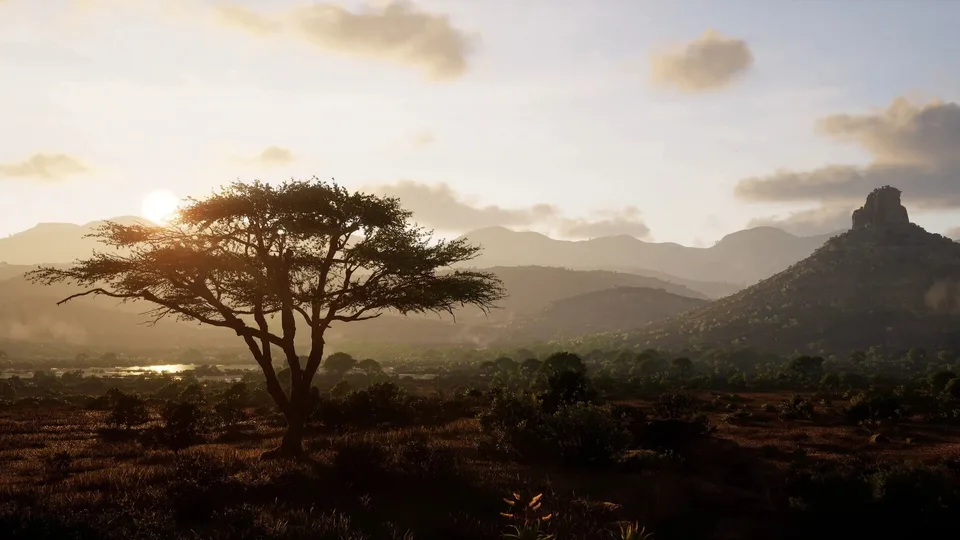
Way of the Hunter 2 Map: Essential Guide to Finding Need Zones
Master the wilderness with our Way of the Hunter 2 map guide. Discover how to locate campsites, cabins, and vital animal need zones for successful hunts.
Published: Way of the Hunter 2 Wiki Editorial Team
Table of Contents
Tracking your prey across the vast, immersive landscapes of Way of the Hunter 2 requires more than just a keen eye and steady aim; it demands a strategic understanding of the terrain. As you step into the shoes of a professional hunter, having a reliable Way of the Hunter 2 map becomes your most valuable asset, ensuring you never lose your way while tracking elusive game.
Why is this so important? In a game where animal behavior is dictated by specific environmental needs, knowing exactly where to find water sources, feeding grounds, and resting spots can be the difference between a successful harvest and a wasted day in the field. This guide explores how to utilize interactive mapping tools to master the game's complex ecosystem.
Understanding the Importance of Mapping Your Hunt
Navigating the diverse biomes of Way of the Hunter 2 is a challenge even for seasoned veterans. The game features a sophisticated simulation where animals follow daily routines based on their "need zones." Without a clear Way of the Hunter 2 map, you are essentially wandering blindly, hoping to stumble upon a track rather than proactively positioning yourself for the perfect shot.
When you use an interactive tool, you aren't just looking at a static image of the topography. You are accessing a dynamic database that catalogs the habitat requirements of various species. Whether you are targeting high-trophy elk or elusive predators, understanding the spatial relationship between your starting location and their preferred zones is critical for efficient scouting.
How to Use Interactive Maps Effectively
Most high-quality interactive maps, such as the one provided by Shackmaps for Way of the Hunter 2, allow you to filter data points. Instead of seeing a cluttered mess of icons, you can isolate specific information.
Feature Type
Why It Matters
Best Time to Visit
Need Zones
Identifies where animals eat/sleep
Peak activity hours
Cabins
Essential for fast travel/saving
End of hunting day
Campsites
Provides temporary spawn points
Planning long-range treks
Water Sources
High probability of animal sightings
Dawn and Dusk
By toggling these layers, you can plan your route from a central cabin to a specific feeding zone, ensuring you arrive before the animals do. This prevents you from spooking your target by walking directly into their path during their active hours.
Strategies for Tracking Need Zones
Need zones are the heart of the game's gameplay loop. According to community reports, animals are most predictable when they are moving toward or staying within these specific areas. To make the most of your Way of the Hunter 2 map, you should prioritize marking these locations as soon as you discover them in-game.
The Lifecycle of a Need Zone
Discovery: You spot tracks or scat, indicating a nearby zone.
Verification: Use your binoculars to confirm the species and the current time.
Documentation: Add a custom pin to your interactive map.
Utilization: Return during the specified time window for a high-success hunt.
Tip
Custom Pinning
If you sign up for a free account on tracking platforms, you can add personal notes to your pins. Use these notes to record the specific "quality" of animals you’ve spotted at that site, helping you track population growth over time.
Navigating Terrain and Infrastructure
While hunting is the primary goal, managing your logistics is what keeps you in the game longer. The Way of the Hunter 2 map highlights critical infrastructure that acts as your base of operations.
Why Infrastructure Management is Key
Fast Travel: Cabins allow you to skip long travel times, allowing you to reset the game clock to the ideal hunting time.
Resource Management: Campsites are often scattered in remote areas where cabins are scarce, providing a vital point to rest without needing to head back to the main lodge.
Infrastructure
Primary Use
Strategic Advantage
Main Lodge
Inventory and Trophy Management
Centralized hub for long-term planning
Outpost Cabins
Fast Travel & Time Advancement
Reduces transit time to remote biomes
Temporary Camps
Emergency Rest & Equipment Check
Sustains multi-day expeditions
Advanced Scouting Techniques
Even with a detailed Way of the Hunter 2 map, you still need to be a skilled hunter. Interactive maps are guides, not cheats; they show you where animals should be based on historical data, but they cannot account for the wind direction or your scent profile.
Always approach your target zones from downwind. Use the map to identify the terrain elevation; high ground offers a better vantage point for scanning, but it also increases your visibility. By cross-referencing the topography on the map with the wind direction, you can plot an approach that keeps you hidden while maintaining a clear line of sight to the need zone.
[!SUMMARY]
Quick Strategy Checklist
Check the map to identify target species' active hours.
Plan your route to arrive at least 30 minutes before the need zone window.
Check the wind once you reach the perimeter of the zone.
Move slowly and stay in cover to avoid startling the herd.
Community Insights and Best Practices
The Way of the Hunter 2 community is highly active in sharing their findings. Many players report that the most successful hunters are those who treat the Way of the Hunter 2 map as a living document. As the developers at Nine Rocks Games continue to update the game, map features often evolve to include more species-specific data.
Player Experience: Many hunters suggest focusing on water sources during the mid-day heat, as animals are forced to move to these areas to survive.
Common Error: A frequent mistake is rushing to a zone without considering the time of day. Always check the game clock against the zone information on your map.
Frequently Asked Questions
Q: Is the Way of the Hunter 2 map accurate for every playthrough?
A: While the topography remains the same, animal need zones can vary based on the specific game population. Use the map as a guide to likely locations, but verify them with in-game tracking.
Q: Can I use the map to find rare trophy animals?
A: The map helps you find the right areas for specific species, but catching a rare trophy requires patience and observation once you arrive at the zone.
Q: How often is the interactive map updated?
A: Reputable sources like Shackmaps work closely with the community and developers, updating the map regularly as new content or habitat changes are introduced to the game.
Q: Where can I find the official game information?
A: For the latest updates, patches, and official announcements, always refer to the Way of the Hunter 2 Steam page.