Exploring the Way of the Hunter 2 Kilimaya Map: A Guide
Discover the vast Way of the Hunter 2 Kilimaya map. Learn about new animal species, biomes, and essential hunting tips for this massive African reserve.
Published: Way of the Hunter 2 Wiki Editorial Team
Video Guide
WAY OF THE HUNTER 2 | KILIMAYA RESERVE MAP GUIDETable of Contents
The African wilderness has finally arrived in Way of the Hunter 2. If you have been waiting to test your tracking skills in a new environment, the way of the hunter 2 kilimaya map offers a massive, 100 km² playground that demands patience, precision, and a deep understanding of the diverse ecosystem. Navigating the way of the hunter 2 kilimaya map requires more than just a sharp eye; it requires a strategic approach to the unique challenges this African reserve presents.
Whether you are a veteran of the series or a newcomer looking to experience the thrill of the hunt, this guide will break down everything you need to know about the Kilimaya Reserve. From the diverse biomes you will encounter to the new species roaming the plains, we will help you prepare for your next expedition.
Exploring the Way of the Hunter 2 Kilimaya Map: Landscape and Biomes
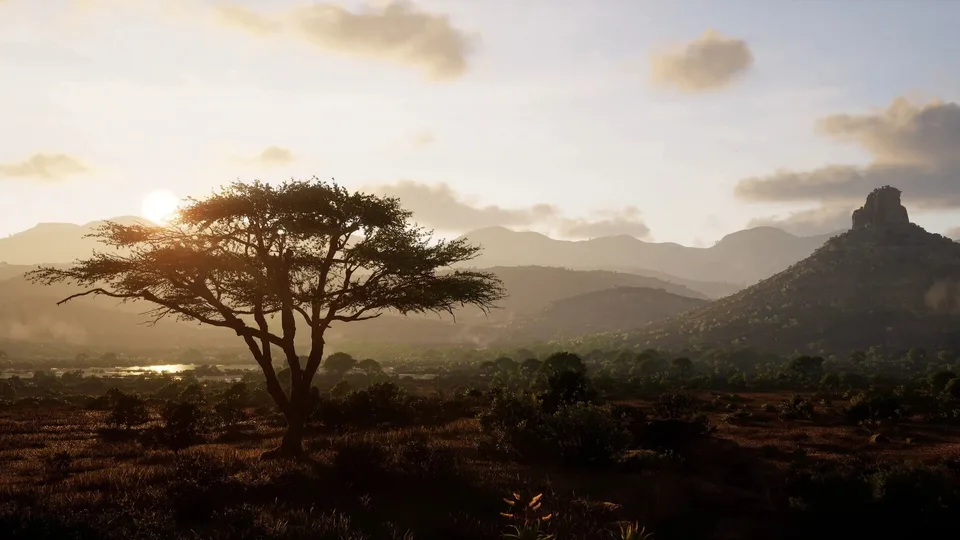
The Kilimaya Reserve is not just a simple addition; it is a sprawling, 100 km² territory designed to test your endurance and survival instincts. The landscape is incredibly diverse, shifting rapidly from open, sun-drenched grasslands to dense, treacherous forests and murky swamps. Understanding the terrain is the first step toward a successful hunt on the way of the hunter 2 kilimaya map.
The map features several distinct biomes, each offering unique challenges for tracking and spotting game. You will need to adjust your gear and your pace depending on where you are hunting.
Biome Type
Hunting Characteristics
Key Advice
Open Grasslands
Long-range visibility, high wind exposure
Use high-magnification scopes and prone positioning.
Swamps/Wetlands
High cover, water-based movement
Watch for Nile crocodiles; be prepared for close encounters.
Forests/Shrublands
Low visibility, high noise potential
Move slowly; prioritize auditory cues over visual spotting.
Plateaus
Strategic vantage points
Use these areas to scout herd movements before descending.
The verticality of the map also plays a significant role. Some players have noted that reaching the highest peaks can be challenging, often requiring careful navigation of the terrain. While you may be tempted to rush to the highest point for a panoramic view, the best hunting often happens in the transition zones between these biomes, where animals move to feed or drink.
The New Species of Kilimaya
One of the most exciting aspects of this update is the introduction of twelve new animal species. Each species comes with its own behavior patterns, tier requirements, and unique biological traits. According to community reports, the developers have focused on making these models anatomically accurate, with distinct differences between male and female specimens.
When hunting on the way of the hunter 2 kilimaya map, you must ensure you are using the correct caliber rifle for the target's tier. Using the wrong weapon will not only result in a poor trophy rating but can also lead to wounded animals escaping into the dense brush.
Animal Species
Typical Tier
Hunting Strategy
Hippopotamus
Tier 9
High danger; target vital organs; keep distance.
Nile Crocodile
Tier 8
Best found near water edges; watch for movement.
Cape African Buffalo
High Tier
Extremely aggressive if spooked; ensure clean shot.
Blue Wildebeest
Mid Tier
Herd animals; look for the lead bull.
South African Ostrich
Mid Tier
Highly alert; use cover to approach.
Spotted Hyena
Mid Tier
Scavengers; often found in packs.
Note: Always check your in-game encyclopedia for the most current tier requirements before engaging. As with all hunting simulations, patience is your greatest weapon.
Mastering the Hunt: Mechanics and Tactics
Hunting in the Kilimaya Reserve requires a shift in mindset compared to other maps. The animals here are reactive and, in some cases, highly dangerous. The hippopotamus, for instance, is notorious for its aggression. If you find yourself in close proximity to a hippo, you are not just hunting; you are surviving. Players have reported that these animals can be lethal if you get too close, making stealth and long-range engagement essential.
Managing Wind and Sound
The wind direction is your biggest enemy. If the wind is blowing from you toward the animals, they will catch your scent almost immediately. Always check the wind indicator before planning your approach. If the wind is unfavorable, it is often better to circle around the area, even if it adds ten minutes to your trek, rather than spooking the herd.
The Importance of Proper Caliber
Using a tier-appropriate rifle is non-negotiable. In the Kilimaya Reserve, many of the larger game animals, such as the Cape African Buffalo and the Hippo, require heavy-duty rifles. Attempting to take down a Tier 9 animal with a low-tier rifle is a recipe for disaster. You will likely only injure the animal, leading to a long and frustrating tracking process through difficult terrain.
Tip
Weapon Selection Strategy
Always carry at least two rifles: one for smaller, quick-moving game (Tier 4-6) and a high-caliber rifle for dangerous, large game (Tier 7-9). This versatility allows you to adapt to the diverse wildlife of the Kilimaya Reserve without needing to return to the lodge.
Community Insights and Interactive Maps
Since the release of the update, the community has been buzzing with discussions about the best ways to navigate the new terrain. A common question appearing on forums is whether an interactive map exists for the Kilimaya Reserve, similar to those available for other regions.
According to community reports on the official Steam discussions, developers have acknowledged these requests. While an official interactive map may not be available immediately, the community is actively sharing findings on potential drink zones and animal hotspots.
Player Tip: Use the game's built-in "Hunter Sense" to highlight tracks and blood trails, especially in the dense swampy areas where visual tracking is nearly impossible.
Community Observation: Many players have noted that the new animal models, particularly the Zebras and Ostriches, are visually stunning, though they can be difficult to distinguish by sex at a distance. Take your time to study their patterns through binoculars before taking the shot.
Essential Gear for the Kilimaya Expedition
Preparation is key when venturing into the African bush. Beyond your rifle and ammunition, your equipment loadout should be tailored to the specific demands of the way of the hunter 2 kilimaya map.
Binoculars with High Magnification: You need to spot animals from hundreds of meters away to avoid spooking them.
Suppressors: While they don't make the shot silent, they significantly reduce the radius at which animals are alerted to your presence.
Vehicle Access: Use your truck to reach the general area, but always park at a distance. The engine noise will scare off everything within a wide radius.
Time Management: Use the sleep function to adjust your hunting time to the early morning or late afternoon when animals are most active at drink zones.
Remember, the goal of Way of the Hunter 2 is realism. Rushing through the bush will only result in missed opportunities. Take the time to learn the rhythms of the land.
FAQ: Frequently Asked Questions
Q: Is there an interactive Way of the Hunter 2 Kilimaya map available?
A: Currently, there is no official interactive map for the Kilimaya Reserve. However, the development team has indicated they are looking into the community's requests for such a tool. Stay tuned to official channels for updates.
Q: What is the most dangerous animal on the new map?
A: Players generally consider the Hippopotamus and the Cape African Buffalo to be the most dangerous. They are aggressive and can charge if they feel threatened or if you get too close. Always prioritize keeping a safe distance.
Q: Do the new animals have different behaviors than those on previous maps?
A: Yes, the developers have updated the animal AI and models. You will notice more realistic biological differences between males and females, and the animals tend to react more dynamically to environmental factors like wind and noise.
Q: How do I find the best hunting spots in Kilimaya?
A: Focus on water sources during the early morning and late afternoon. Use your binoculars to scout from high ground (plateaus) before approaching. If you spook a herd, mark the location on your map and return later; animals will often return to their preferred zones.
The Kilimaya Reserve offers a fresh, challenging experience that highlights the best of what Way of the Hunter 2 has to offer. By respecting the environment, choosing the right gear, and taking the time to learn the behaviors of the local wildlife, you will find this African hunting ground to be one of the most rewarding experiences in the game. Happy hunting!